
 admin
admin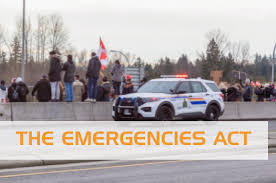
The President and CEO of the Canadian Chamber of Commerce, Perrin Beatty, issued the quick reaction below following the invocation of the Emergencies Act. Mr. Beatty was the Minister responsible for bringing the Emergencies Act into effect in 1988.
“The government’s decision to invoke the Emergencies Act indicates how serious the threat to public safety and our economy from the ongoing blockades at various points in Canada has become. The right to protest is fundamental to Canadian democracy, but it must be exercised in conformity with the law and with respect for the rights and safety of others. In the interests of all Canadians, we ask participants to peacefully end the blockades and peacefully return home immediately.
The rule of law protects all of our rights and freedoms. It is also critical for our economy’s ability to function. The vast majority of Canadians respect this fundamental aspect of our democracy, which governments at all levels have a responsibility to protect.”
What does invocation of the Act mean?
Although passed in 1988 as a replacement to the War Measures Act, the Emergencies Act has never been used before. Invoking the act is a way of giving additional tools to police forces dealing with blockades. The act will allow the government to prohibit gatherings that could lead to “a breach of the peace,” which Prime Minister Justin Trudeau specified would include blockades seen in Ottawa and at the Ambassador Bridge in Windsor.
The government will also be able to designate and secure protected places, which could include critical infrastructure such as border crossings and airports. And the act allows the government to direct qualified individuals to provide essential services, which Trudeau said will include ensuring that vehicles blocking roads are towed and cracking down on funding for blockades.
The act says a national emergency is a temporary urgent and critical situation that either “seriously endangers the lives, health or safety of Canadians,” exceeding a province’s capacity to deal with it; or “seriously threatens the ability of the government of Canada to preserve the sovereignty, security and territorial integrity of Canada.” In both instances, it must also be an emergency that cannot be properly dealt with under any other law. West said it’s not clear that either of those definitions have been met by the blockades or the occupation in Ottawa.